

Why Solar Panels Are the Future of Electricity in India
Introduction: India’s Energy Future Is Changing
Imagine opening your electricity bill and realizing you are paying almost nothing every month. For many families and businesses across India, this is no longer a dream—it’s becoming reality through solar energy.
India is one of the fastest-growing economies in the world, and with that growth comes a massive demand for electricity. However, traditional energy sources like coal and fossil fuels are becoming expensive, environmentally harmful, and unsustainable for the future.
This is where solar panels in India are transforming the energy landscape.
From homes in Andhra Pradesh to factories in major industrial cities, solar power is helping people generate their own electricity, reduce costs, and contribute to a cleaner environment. With government support, improved technology, and increasing awareness, solar energy is no longer an alternative—it is quickly becoming the future of electricity in India.
What Are Solar Panels and How Do They Work?
Solar panels are devices that convert sunlight into electricity using photovoltaic (PV) cells. These cells absorb sunlight and generate direct current (DC) electricity, which is then converted into usable alternating current (AC) electricity through an inverter.
Basic Solar System Components:
- Solar Panels
- Solar Inverter
- Mounting Structure
- Wiring & Safety Equipment
- Net Metering Connection
When installed on rooftops, these systems can power homes, offices, factories, and commercial buildings efficiently.
Why Solar Panels Are Growing Rapidly in India
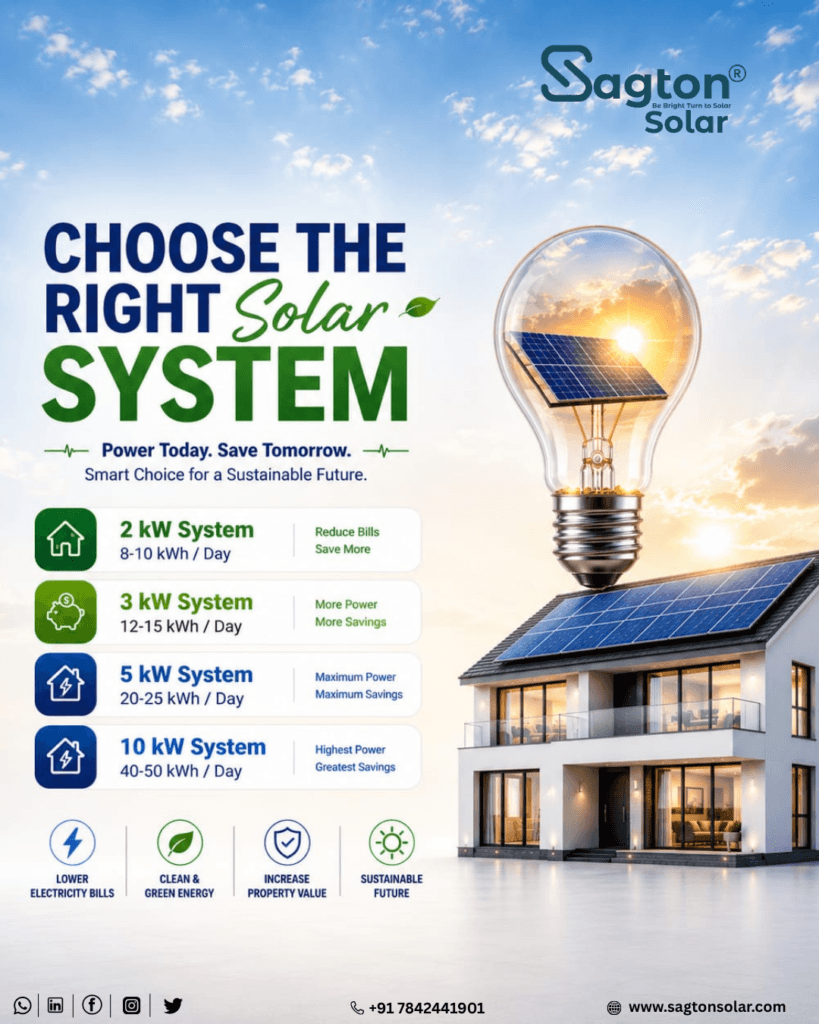
India receives abundant sunlight throughout the year, making it one of the best countries for solar energy generation. States like Andhra Pradesh, Telangana, Rajasthan, and Gujarat have ideal climatic conditions for rooftop solar systems.
Key Reasons Behind Solar Growth in India
1. Rising Electricity Costs
Electricity tariffs are increasing every year. Homeowners and businesses are searching for long-term solutions to reduce their power expenses.
A solar panel system helps:
- Reduce electricity bills by up to 70–90%
- Protect against future tariff increases
- Generate free electricity for 20–25 years
For example, a family paying ₹6,000 per month for electricity can significantly reduce costs after installing rooftop solar.
2. Government Support & Subsidies
The Indian government is actively promoting solar energy adoption through:
- PM Surya Ghar Yojana
- Rooftop Solar Subsidies
- Net Metering Policies
- Solar Financing Schemes
These incentives reduce installation costs and make solar systems more affordable for middle-class families and businesses.
Homeowners in Andhra Pradesh can especially benefit from subsidy programs and local solar adoption initiatives.
3. Environmental Benefits
Traditional electricity generation contributes heavily to pollution and greenhouse gas emissions.
Solar energy:
- Produces clean electricity
- Reduces carbon footprint
- Decreases dependence on coal
- Supports sustainable development
By switching to solar, every household contributes to a greener future for the next generation.
The Financial Benefits of Solar Panels in India
One of the biggest reasons people invest in solar panels is the financial advantage.
Long-Term Savings
Although solar installation requires an initial investment, the long-term savings are significant.
Example Calculation:
- Monthly electricity bill: ₹5,000
- Annual electricity expense: ₹60,000
- 20-year electricity expense: ₹12 Lakhs+
A properly designed solar system can drastically reduce this cost.
Most systems recover their investment within:
- 3–5 years for residential properties
- 2–4 years for commercial installations
After that, the electricity generated is almost free.
Why Andhra Pradesh Is Ideal for Solar Energy
Andhra Pradesh is emerging as a strong solar energy market due to:
- High sunlight availability
- Growing electricity demand
- Government support
- Increasing awareness among homeowners
Cities and towns across Andhra Pradesh are seeing rapid adoption of rooftop solar systems for homes, shops, hospitals, schools, and factories.
Benefits for Andhra Pradesh Residents:
- Reduced power cuts dependency
- Lower electricity bills
- Increased property value
- Sustainable energy generation
Companies like Sagton Solar are helping customers transition smoothly to solar energy with customized solutions.
Solar Energy for Homes
Residential rooftop solar systems are becoming increasingly popular in India.
Why Homeowners Prefer Solar:
- Save monthly expenses
- Increase energy independence
- Reduce environmental impact
- Improve property resale value
Appliances Solar Can Run:
- Fans
- Lights
- Refrigerators
- Washing Machines
- Air Conditioners
- TVs & Electronics
Modern systems are efficient enough to handle daily household energy requirements comfortably.
Solar for Businesses and Factories
Commercial electricity tariffs are often much higher than residential tariffs. This makes solar a highly profitable investment for businesses.
Industries Benefiting from Solar:
- Factories
- Hospitals
- Hotels
- Schools
- Warehouses
- Shopping Complexes
Commercial Solar Advantages:
- Reduced operational costs
- Better ROI
- Tax benefits
- Sustainability branding
Businesses adopting solar today gain a competitive advantage in the long term.
Common Myths About Solar Panels in India
Myth 1: Solar Works Only in Summer
Solar panels work even during cloudy weather, although efficiency may slightly reduce.
Myth 2: Solar Requires High Maintenance
Modern solar systems require very minimal maintenance.
Myth 3: Solar Is Too Expensive
Government subsidies and financing options have made solar much more affordable.
Myth 4: Solar Panels Damage Roofs
Professionally installed systems are safe and can actually protect roofs from direct sunlight exposure.
Future of Solar Energy in India
India is rapidly moving toward renewable energy adoption.
Experts predict:
- Massive rooftop solar growth
- Increased battery storage adoption
- Smarter energy systems
- More affordable solar technology
As electricity demand rises, solar energy will become one of the most important power sources in the country.
How to Choose the Right Solar Company
Choosing the right installer is crucial for performance and long-term savings.
Look for:
- Experience & expertise
- Quality components
- Warranty support
- Proper certifications
- Customer reviews
A trusted company ensures:
- Correct system sizing
- Professional installation
- Better ROI
- Long-term performance
Why Choose Sagton Solar?
Sagton Solar provides reliable rooftop solar solutions designed for homes, businesses, and industries across Andhra Pradesh.
What Makes Sagton Solar Different?
- Customized solar solutions
- High-quality components
- Professional installation
- Affordable pricing
- Expert consultation
- Long-term customer support
Whether you want to reduce your electricity bills or switch to sustainable energy, Sagton Solar helps make the transition easy and cost-effective.
Conclusion: The Future Is Solar
India’s energy future is changing rapidly, and solar panels are leading this transformation.
With rising electricity costs, growing environmental concerns, and strong government support, solar energy is no longer optional—it is becoming essential.
For homeowners, businesses, and industries, investing in solar today means:
- Lower electricity bills
- Greater energy independence
- Long-term savings
- A cleaner and greener future
The sun provides unlimited energy every day. The smartest decision is learning how to use it effectively.
🚀 Call to Action
✅ Get Free Solar Consultation
✅ Send Your Electricity Bill on WhatsApp
✅ Book Free Site Inspection
✅ Calculate Your Solar Savings Today
Switch to smart energy with Sagton Solar and power your future with solar.
❓ FAQs
Are solar panels worth it in India?
Yes, solar panels offer long-term savings, lower electricity bills, and sustainable energy generation.
How much can I save with rooftop solar?
Most homeowners save between 70–90% on electricity bills depending on system size and usage.
Do solar panels work during rainy days?
Yes, solar panels still generate electricity during cloudy and rainy conditions, though efficiency may reduce slightly.
How long do solar panels last?
Most solar panels last 20–25 years with minimal maintenance.
Is there a subsidy for solar panels in India?
Yes, the government offers subsidies under various rooftop solar schemes including PM Surya Ghar Yojana.
